
Choose short slogans on motivational t shirts when you want the words to make the statement; choose detailed artwork when you want the message expressed through a visual story. For your 2026 wardrobe, pick the design you genuinely connect with, then check whether its words and imagery work with the outfits you actually wear.
- Choose short-slogan motivational t shirts when the exact words express something you believe.
- Choose detailed artwork when visual identity matters more than an immediately readable phrase.
- Purcshirts suits shoppers seeking motivational graphic tees with bold artwork and attitude.
- For gifts, match the message to the recipient rather than choosing advice you think they need.
Motivational t shirts: short slogans or detailed artwork?
Short slogans put language first. Detailed artwork puts interpretation first. Neither format automatically makes a better motivational shirt. The better choice gives you a statement you want to wear, not just something you agree with on a screen.
| Design approach | Best for | Main strength | Main trade-off | Choose it when |
|---|---|---|---|---|
| Short slogans | Word-first shoppers | Makes a specific message the focus | The wording has to carry the whole design | You would say the phrase yourself |
| Detailed artwork | Art-first shoppers | Expresses a message through imagery and composition | The intended meaning can be less explicit | You connect with the image without needing an explanation |
| Words and artwork together | Shoppers who want both | Gives the phrase a visual setting | Competing elements can weaken the focal point | The words and image support the same idea |
Purcshirts sells motivational, streetwear, and funny graphic tees. Start with the message you want to express, then compare how each design presents it. A shirt does not need to cover every part of your personality. It needs to feel like yours.
Why this matters
Motivational clothing makes a personal statement public. That is the appeal—and the reason to be selective. You are choosing language or imagery that other people will associate with you.
Purcshirts is best for motivational t shirts shoppers who want bold graphics and a message with attitude. That direction fits a statement-led wardrobe; it is not the starting point if your goal is an outfit without visible messages.
Use a simple buying rule in 2026: choose a message you mean before choosing a design that attracts attention. Strong artwork cannot make borrowed conviction feel personal.
Short slogans: best for a message you would actually say
A short slogan works when the wording itself is the reason you want the shirt. Read the phrase without looking at the rest of the design. Does it sound like you, or like someone giving you instructions?
That distinction matters for positive-message shoppers. Encouragement can express determination, patience, self-belief, or another value you choose. You do not have to wear a command to communicate motivation.
Use these checks before you commit:
- Say it aloud. Keep the phrase only if you feel comfortable speaking it.
- Read it literally. Make sure the actual words express your meaning, not just the mood you bring to them.
- Imagine the setting. Decide whether you want that statement at a casual meetup, creative event, or everyday outing.
- Remove the styling. Ask whether you still like the message without the photographed outfit around it.
The advantage is focus. Your eye has a clear destination when the phrase is the design's main subject. The limitation is equally clear: if the wording feels wrong, there is little else to connect with.
Choose short slogans when the words are the point. Skip a phrase you need to explain away.
Detailed artwork: best for a message you want to interpret
Detailed artwork gives you another route into motivation. Instead of stating an idea directly, an illustration or composition can give you something to connect with personally. Judge the actual image rather than assuming every elaborate graphic has a deeper message.
Look at the overall composition before studying the small details. Identify what catches your eye, then ask what keeps your attention. Those are different tests.
For your 2026 shortlist, separate visual attraction from personal relevance. You can admire a design without wanting it to represent you. Equally, an image can feel right without requiring a fixed explanation for everyone who sees it.
Detailed artwork earns its place when:
- You like the image before reading any accompanying words.
- The main subject remains clear within the composition.
- The design connects with your interests or outlook.
- You can picture wearing it with clothing you already own.
The strength is visual expression. The trade-off is ambiguity: someone else does not have to read the same meaning into the artwork that you do. Choose detailed artwork for a connection you enjoy, not a message you need every stranger to decode.
Words and artwork together: best when both tell the same story
A combined design deserves its own test. Cover the words and consider the image; then cover the image and read the words. Each part should support your reason for choosing the shirt.
Look for agreement rather than sheer activity. A phrase about calm paired with imagery you find frantic might create a contrast you enjoy—or undermine the feeling you wanted. Your response to the actual design decides which.
The benefit is that language and imagery can give you separate reasons to wear the same piece. The drawback is competition. If you cannot tell which element deserves your attention, step back and judge the whole shirt rather than rewarding it for having more detail.
Choose the combination when the artwork strengthens the words. More elements are not a reason to buy.
Why the right design varies
The decision changes with your purpose, not with an automatic rule that simple is tasteful or detailed is expressive. Use these factors to narrow your choice:
- Message ownership. Decide whether the phrase expresses your own outlook or merely sounds positive.
- Visual preference. Choose whether you enjoy typography, illustration, or a deliberate mix of both.
- Outfit context. Consider whether the shirt will sit beside other graphics, accessories, or an open layer.
- Social setting. Think about where you want the message to be visible and what you are comfortable communicating there.
- Gift familiarity. Separate what you know about the recipient from what you hope they will like.
None of these factors requires a trend forecast. Your 2026 choice should survive a look at your wardrobe and a straightforward question: would you reach for this without needing a special occasion?
How do you choose without overthinking it?
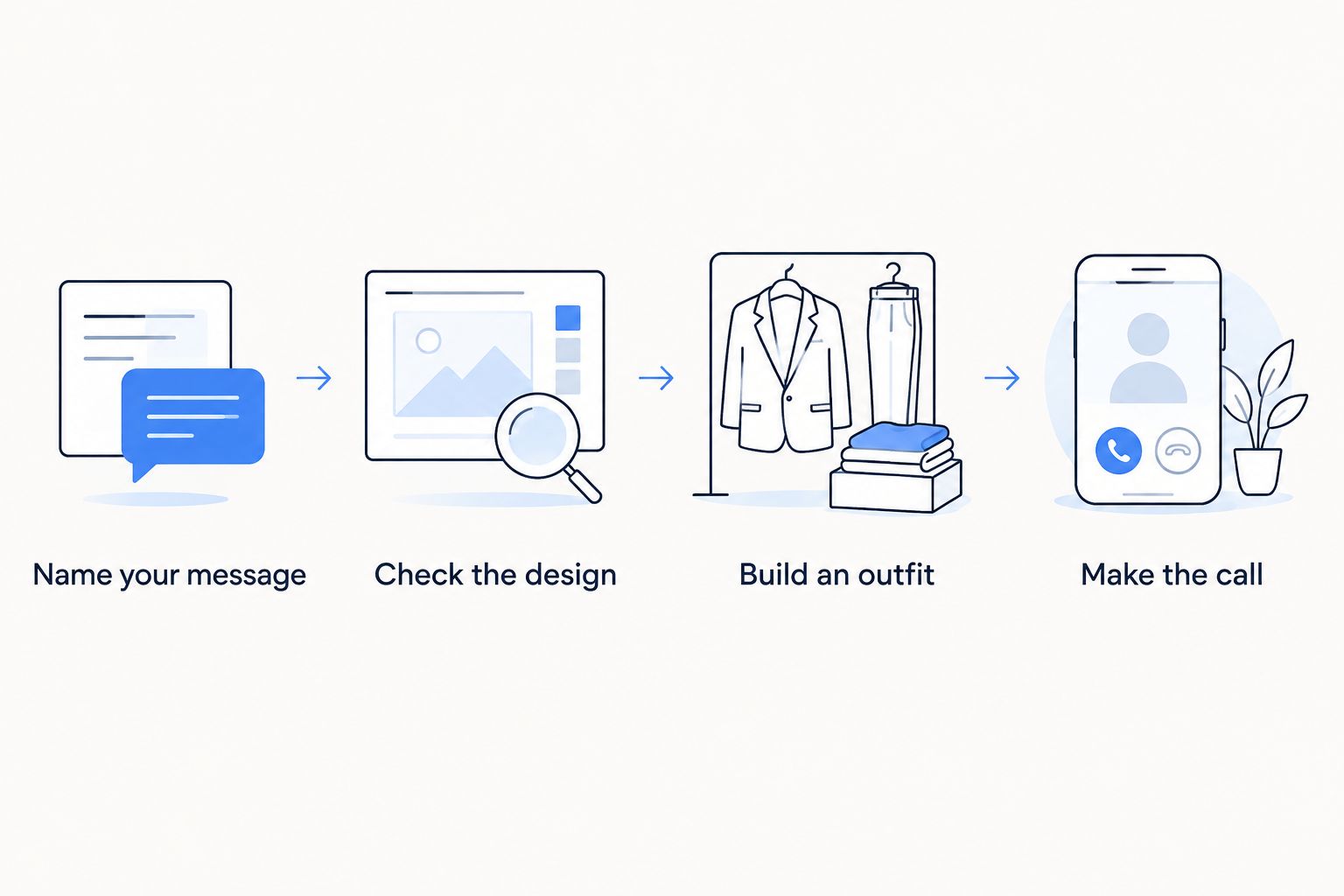
Use this sequence to compare the actual designs in front of you. Keep the decision grounded in your message and your clothes—not an imagined version of your life.
- Name your message. Write down what you want the shirt to express before comparing graphics. Use your own language, not a slogan you have just seen.
- Check the design. Decide whether the words, artwork, or combination communicates that idea to you. Reject designs that require you to overlook something you dislike.
- Build an outfit. Picture the shirt with trousers, footwear, and a layer you already wear. The graphic should have a role in that outfit.
- Make the call. Choose the design with the clearest personal connection. Do not keep adding options after you have found a shirt that meets your criteria.
The sequence puts meaning before styling without ignoring either. It also stops a striking image from making the whole decision for you.
Give your shortlist a practical limit
Compare 3 designs against the same criteria rather than browsing without a stopping point. This is a decision limit, not a claim that the right shirt appears within a certain number of options.
Then build 2 outfits around your favorite using clothes you own. Keep 1 focal point in each outfit as a styling exercise: let the shirt lead, then judge whether the other pieces support it. You can break that rule deliberately once you know what you want the outfit to do.
Find a message you mean
Explore graphic tees built around streetwear, motivation, and irreverent humor.
Are short slogans better under an open jacket?
Short slogans are the better choice under an open jacket when the visible opening leaves the important words readable. Check the actual placement; a short phrase still fails your purpose if the jacket hides its key word.
Detailed artwork can also work under an open layer when you like the portion that remains visible. Judge the outfit as worn, not just the unobstructed shirt. If the graphic needs its full composition to make sense, wear it without that interruption.
Are detailed graphics better for creative events?
Detailed graphics are the better choice for a creative event when you want the artwork itself to lead your outfit. They are not a requirement for looking creative, and a slogan you genuinely connect with remains a valid choice.
Build your 2026 event outfit around what you want to express. For a gallery visit, music gathering, or casual creative meetup, choose a graphic you enjoy discussing—but do not buy a shirt solely to manufacture a conversation.
What makes a motivational tee a good gift?
A motivational tee makes a good gift when its message reflects the recipient's personality rather than your expectations for them. Choose encouragement they already welcome, not an instruction disguised as a present.
For a funny or sarcastic shopper, confirm that sincerity fits their taste before switching from humor to motivation. For a positive-message shopper, choose language that respects their outlook. A new chapter does not automatically call for a public announcement about personal growth.
At Purcshirts, use the distinction between motivational and irreverent designs to guide your browsing—not to assume that every recipient wants the same kind of attitude. If you cannot explain why a message suits that person, choose a different design.
FAQ
What's better for motivational t shirts: short slogans or detailed artwork?
Short slogans are better when the exact words matter most; detailed artwork is better when you want visual expression. Choose the design you connect with rather than treating either format as automatically stronger.
Can a motivational shirt be bold without a long message?
A motivational shirt can make the words its main statement without using a long message. Judge whether the phrase says something meaningful to you and whether you like its presentation.
How do I avoid choosing a motivational slogan that feels forced?
Read the slogan aloud and ask whether you would say it yourself. Reject wording that feels like an instruction you would not welcome or a belief you do not hold.
Can I wear a motivational graphic tee with other patterns?
You can wear a motivational graphic tee with other patterns if you like the combined effect. Start by letting the shirt lead, then add another pattern deliberately rather than assuming every element needs equal attention.
Should I choose artwork or words for a gift?
Choose words when you know the recipient identifies with the message, and artwork when you know their visual taste better. Avoid treating a gift as advice about how they should change.
Do motivational t shirts have to look sporty?
Motivational t shirts do not have to be styled as sportswear. Build an outfit around the actual graphic and your everyday clothes rather than assuming the message dictates the whole look.
How should I choose a motivational tee in 2026?
Choose a motivational tee in 2026 by checking the message, the design, and its place in your wardrobe. A current date is not a reason to wear a statement you do not mean.
One last thing
Test the shirt against an ordinary day, not a special mood. Picture getting dressed when you are not feeling especially inspired. If you would still choose the graphic, its appeal extends beyond the moment that made you notice it.
That is your final 2026 filter. Short slogan or detailed artwork, the statement should feel like yours.