Best overall: an understated deadpan statement. Best for blunt irreverence: Oh, Look! Nobody Gives a Sh*t. Best for gifting: a joke that matches the recipient’s actual sense of humor. This 2026 guide ranks sarcastic shirt styles by personality, with Purcshirts as a source for statement graphic tees.
- The best sarcastic t shirts match your personality; understated deadpan is the default for dry humor fans.
- Purcshirts’ Oh, Look! Nobody Gives a Sh*t suits shoppers who want blunt, irreverent graphic tees.
- Choose visual irony when artwork matters more than a written punchline.
- For gifts, match the recipient’s humor rather than testing how much attitude they will wear.
Why this matters
A sarcastic tee puts your attitude on display before you say anything. Pick the wrong joke and you spend the day explaining yourself. Pick the right one and the shirt feels like something you would actually say.
Dry humor does not need the loudest punchline. It needs the right distance between what the shirt says and what you mean. That makes message choice more useful than chasing a generic funny-shirt label.
For your 2026 shortlist, start with personality, then consider the setting. A shirt for a music night with friends has a different job from a gift for someone whose boundaries you only partly know.
What makes the best sarcastic t shirts?
Judge the message before you judge the rest of the outfit. These criteria keep the ranking focused on shirts you will want to wear, not just jokes you enjoy reading once.
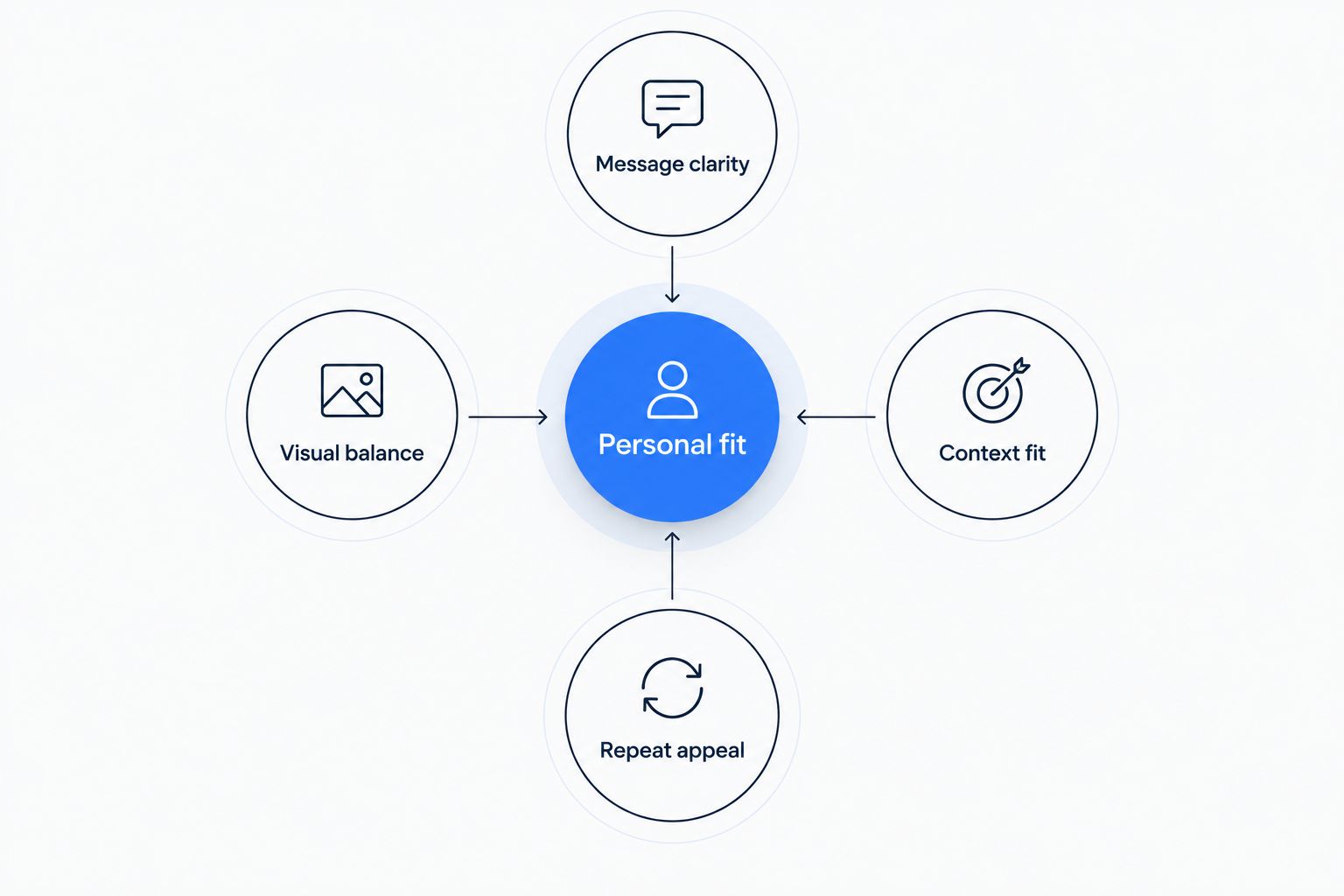
- Message clarity: You can understand the attitude without a spoken explanation. Complicated wording puts work between the reader and the joke.
- Personal fit: The message sounds like your humor. Wearing somebody else’s personality is a poor reason to choose a graphic.
- Visual balance: Artwork and wording support each other instead of competing for attention. Decide which one leads.
- Context fit: The shirt belongs in the places you plan to wear it. An intentionally dismissive message is not a neutral choice.
- Repeat appeal: You still like the idea after the first laugh. Picture an ordinary day, not just the moment you show a friend.
Use these criteria together. A clear joke that feels wrong for your personality is still the wrong shirt; an excellent illustration cannot rescue a message you dislike.
Sarcastic shirt styles at a glance
This 2026 ranking compares design approaches, not garment specifications. The named Purcshirts design is a concrete choice for blunt humor; the other entries help you identify which kind of message to look for.
| Rank and option | Best for | Standout feature | Key limitation |
|---|---|---|---|
| 1. Understated deadpan statement | Quiet, everyday sarcasm | A straight-faced message carries the joke | Subtle wording can read literally |
| 2. Oh, Look! Nobody Gives a Sh*t | Openly dismissive humor | The title states the attitude directly | The message includes censored profanity |
| 3. Visual irony | Art-first personalities | The joke comes from an unexpected contrast | The humor depends on interpreting the artwork |
| 4. Self-directed sarcasm | People who dislike jokes at others’ expense | The wearer becomes the subject | Self-mockery can feel wrong on a difficult day |
| 5. Shared-reference humor | Gifts between people with established rapport | Recognition makes the message personal | Outsiders might not understand it |
1. Understated deadpan: best for everyday dry humor
An understated deadpan shirt presents a joke without announcing how funny it is. The language stays straight-faced, leaving the contradiction or implied attitude to do the work.
Choose this direction when you want personality without turning every entrance into a performance. A short message also gives you room to build an outfit around shape, color, and layers rather than adding more competing statements.
Deadpan statement pros:
- Lets the wording carry the attitude without an elaborate setup.
- Suits humor built on understatement rather than provocation.
- Gives you a clear focal point for an otherwise simple outfit.
Deadpan statement cons:
- A reader can take the wording at face value.
- A message that is too vague loses the joke entirely.
Best for: Dry humor fans who want a repeat-wear statement rather than a special-occasion gag.
Read the message in your normal speaking voice. If you need to add a wink, a dramatic pause, or an explanation to make it work, keep looking. The shirt should carry the joke without your help.
Verdict: Buy this style as your default if understatement is already your thing.
2. Oh, Look! Nobody Gives a Sh*t: best for blunt irreverence
The Purcshirts design Oh, Look! Nobody Gives a Sh*t puts the dismissive message directly in its name. There is no need to soften the intent or pretend the attitude is subtle.
Purcshirts is best for sarcastic graphic tee shoppers who want an openly irreverent statement. This particular design is for the person who enjoys that bluntness, not someone hoping a confrontational line will pass unnoticed.
Oh, Look! Nobody Gives a Sh*t pros:
- Makes the intended attitude clear from the wording.
- Gives irreverent humor shoppers a specific catalog design to consider.
- Works as a deliberate personality statement rather than a vague funny reference.
Oh, Look! Nobody Gives a Sh*t cons:
- Includes censored profanity that will not suit every setting.
- Can communicate dismissal even when you intend friendly sarcasm.
- Makes a risky surprise gift without knowing the recipient’s boundaries.
Best for: Shoppers who already wear their irreverence openly.
Consider who will read the message, not just who will understand the joke. Friends who know your humor bring context; strangers do not. Choose it because the attitude fits you, not because you expect everyone to interpret it generously.
Verdict: Buy for deliberate irreverence; skip for settings where you want a neutral message.
3. Visual irony: best for art-first personalities
Visual irony puts the unexpected contrast in the artwork. The joke comes from a mismatch between elements, or between the image and its accompanying message, rather than a long written punchline.
Choose this approach if you notice illustration and composition before you read a slogan. It gives art-minded shoppers a way to express humor without making a block of text the whole point of the shirt.
Visual irony pros:
- Lets artwork lead the expression of personality.
- Rewards looking rather than relying entirely on reading.
- Gives you visual details to echo elsewhere in an outfit.
Visual irony cons:
- The intended contrast is not obvious to every viewer.
- Extra visual elements can distract from the part that makes the joke work.
Best for: Urban creatives who want the graphic to speak before the wording does.
Check whether you like the artwork even when you set the joke aside. That question separates a design you want to wear from an amusing image you would rather save on your phone. Do not let the punchline excuse a composition you dislike.
Verdict: Buy when the art stands on its own; skip when only the explanation makes it interesting.
4. Self-directed sarcasm: best for keeping the joke personal
Self-directed sarcasm makes the wearer, rather than a stranger, the subject. Look for a message about a quirk or habit you genuinely recognize in yourself.
This direction gives you attitude without requiring a target outside the shirt. Still, choose the wording carefully. There is a difference between enjoying your own contradictions and wearing a label you do not want attached to you.
Self-directed sarcasm pros:
- Keeps the joke focused on your own personality.
- Creates a clear connection between the message and its wearer.
- Avoids needing another person to be the punchline.
Self-directed sarcasm cons:
- A negative label can feel less funny in a different mood.
- Other people can repeat the message as if it defines you.
Best for: People who enjoy laughing at themselves but dislike putting others down.
For a 2026 wardrobe refresh, distinguish a passing mood from a message you want to keep wearing. Choose a quirk you are comfortable owning. Leave behind wording that feels more like criticism than humor.
Verdict: Buy a message you own willingly; skip a label you would dislike hearing from someone else.
5. Shared-reference humor: best for thoughtful gifts
A shared-reference shirt connects to something the recipient already finds funny. The reference can reflect an established interest or an ongoing joke between you, without asking the recipient to adopt a new personality.
The point is recognition. You want the recipient to see why you chose it, not wonder whether the gift contains an unsolicited comment about them.
Shared-reference humor pros:
- Gives the gift a reason beyond being generally funny.
- Lets you choose around an interest the recipient already expresses.
- Connects the shirt to a relationship rather than a random punchline.
Shared-reference humor cons:
- The joke can lose meaning outside your shared context.
- An inside joke is not automatically something the recipient wants to wear publicly.
Best for: Gift buyers who know both the recipient’s humor and their clothing choices.
Ask 3 questions before choosing: Does the recipient make this kind of joke? Do they wear visible messages? Would they enjoy strangers reading this one? A no deserves more attention than your own enthusiasm for the design.
Verdict: Buy when the joke belongs to the recipient; skip when it mainly entertains the giver.
How the ranking works
The order favors a clear message, personal fit, and a defined use case. Understated deadpan takes the default position because it answers the dry-humor brief without requiring a provocative message or a shared reference.
The other options win on specific intentions. Blunt wording communicates irreverence; visual irony leads with art; self-directed sarcasm keeps the subject personal; shared-reference humor serves a known recipient. These are message-based recommendations, not claims about fabric, fit, or durability.
Build the outfit without burying the joke
For a 2026 outfit built around a sarcastic tee, let 1 focal graphic lead. If the message is the reason you chose the shirt, avoid covering its key words or surrounding it with unrelated statements.
Use these styling limits as starting points, not uniform rules:
- Start with 2 supporting colors. Pull them from the graphic or keep the surrounding pieces neutral. Add more only when you want the extra contrast.
- Keep the message visible. An open layer works only if its edges do not cut through the part that makes the joke readable.
- Check the whole outfit. Stand back and decide whether you notice the intended statement first.
Do not dress like the joke is an assignment. Keep the pieces you already enjoy wearing, then remove whatever fights the shirt for attention. Your personality should feel connected across the outfit, not confined to its wording.
Which sarcastic shirt should you choose?
Choose understated deadpan when you want a default. Move to visual irony when the artwork matters most, or choose self-directed humor when you want the joke to stay personal.
Choose Oh, Look! Nobody Gives a Sh*t when its blunt attitude is exactly the point. For gifts, put the recipient’s taste ahead of the biggest reaction. That is the decision rule for your 2026 shortlist: the best message is the one its wearer actually means.
Find your statement
Browse graphic t-shirts and long-sleeve tees with funny, irreverent, and positive messages.
FAQ
What are the best sarcastic t shirts for dry humor fans?
Understated deadpan shirts are the best default for dry humor fans. Choose wording that works without an explanation and sounds like something you would actually say.
Which Purcshirts shirt suits blunt sarcastic humor?
Oh, Look! Nobody Gives a Sh*t is a specific Purcshirts design for blunt, dismissive humor. Its censored profanity and direct message make it a deliberate choice rather than a neutral statement.
Is a sarcastic t-shirt a good gift?
A sarcastic t-shirt is a good gift when its message matches humor the recipient already enjoys. Check whether they wear visible jokes and would want that particular message read by strangers.
Can I wear a sarcastic shirt to work?
Choose a sarcastic shirt for work only when both the dress rules and the message fit the setting. A joke that works among friends does not automatically suit colleagues or customers.
How do I style a sarcastic graphic tee without overdoing it?
Give the tee one clear focal role and keep competing messages out of the outfit. Start with two supporting colors and check that any open layer leaves the joke readable.
What is the difference between dry humor and an insulting shirt?
Dry humor uses a straight-faced delivery; an insulting message targets or belittles someone. Judge the actual wording rather than assuming a sarcastic label makes every message harmless.
Should I choose a slogan or an illustrated sarcastic shirt?
Choose a slogan when the wording is the main attraction, and visual irony when the artwork carries the joke. In either case, make sure you like the design after the first laugh.
One last thing
Try the no-explanation test. Read the message, put it aside, and picture wearing it without getting to explain your intention to anyone.
If you still like what it communicates, it belongs on your shortlist. If you immediately want to add context, choose a different statement. You should wear the joke, not spend the day defending it.